



Why ventilation is essential in livestock farming
A stable microclimate and good air quality are key factors for the well-being of cattle, pigs, poultry and horses. Inadequate ventilation exposes animals to heat stress, respiratory diseases, excessive humidity, the spread of pathogens and reduced productivity, with negative effects also on the quality of milk, meat and eggs.
The use of HVLS (High Volume Low Speed) fans and axial fans allows you to:
Maintain uniform temperatures and reduce air stratification
Remove excess humidity, dust and unpleasant odours
Improve animal welfare in both summer and winter
Support healthy growth and better performance
Reduce energy consumption and lower operating costs
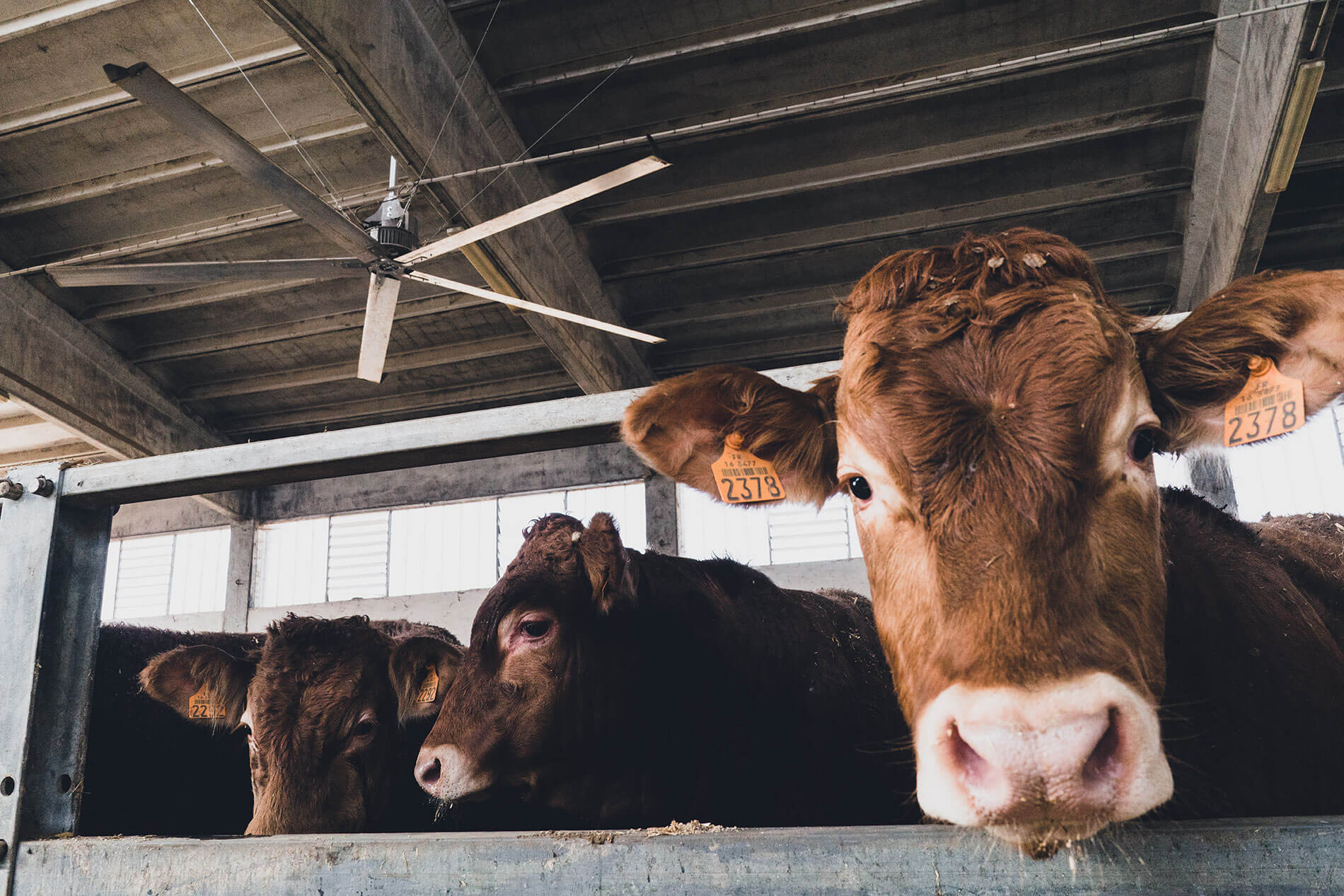
Animal welfare: an ethical and productive value
Animal welfare is not only an ethical choice, but also a strategic driver for the competitiveness of modern livestock farming. Well-ventilated environments lead to more productive and longer-living dairy cows, healthier pigs and poultry, and horses less exposed to disease and stress. Better air quality reduces the need for medication, lowers mortality rates and improves overall performance, both in small farms and large livestock operations.
Energy efficiency all year round
Evel fans are designed to deliver maximum energy efficiency in both hot and cold seasons. In summer, they provide effective ventilation with very low energy consumption, helping to prevent production losses caused by heat stress. In winter, they support bedding drying and limit the formation of mould and harmful gases, maintaining a healthier environment for animals and operators.
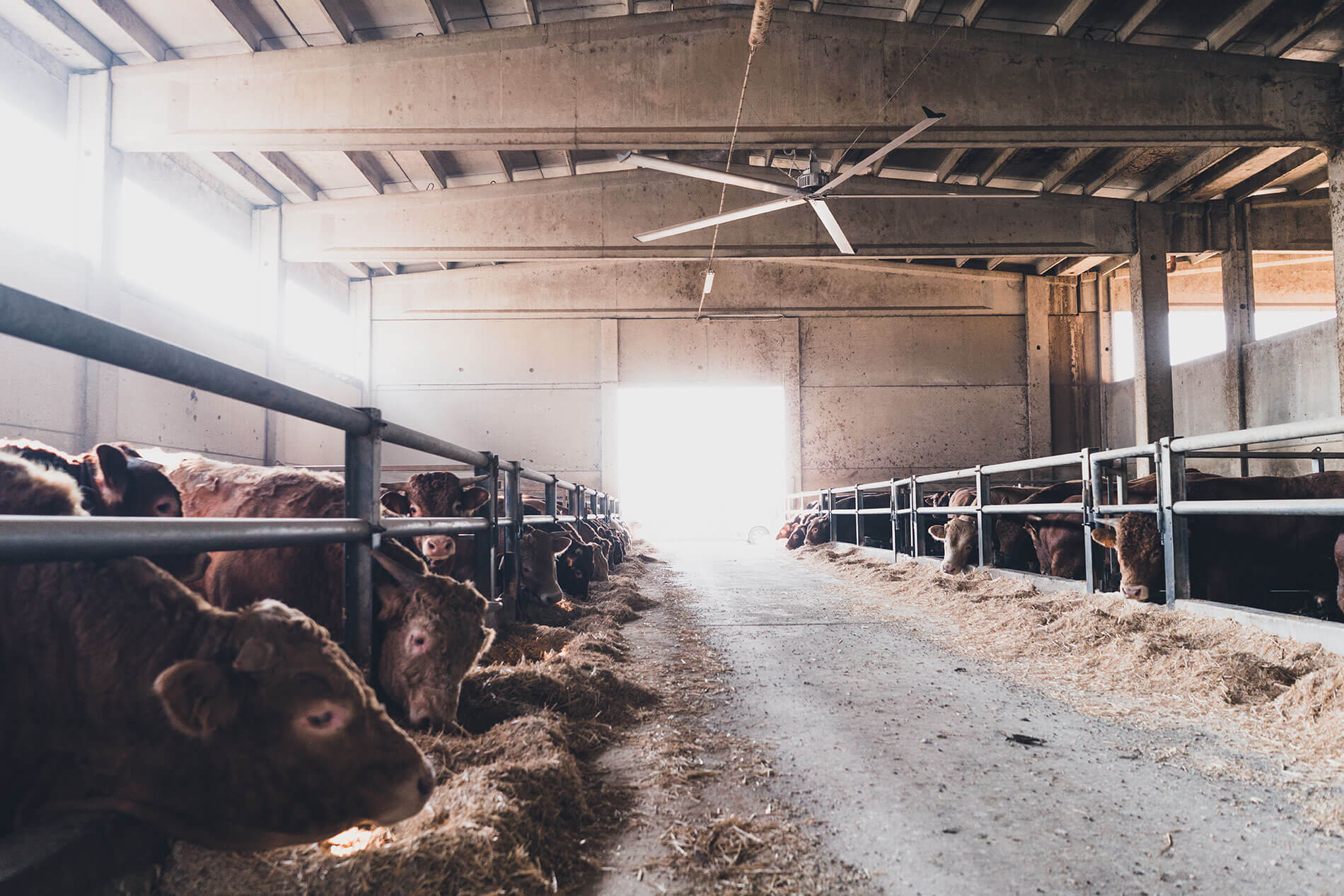
The main applications of livestock ventilation
Our ventilation solutions are used across all livestock farming contexts:
Cattle barns and dairy barns: to reduce heat stress and improve milk quality and yield.
Pig barns and pig farms: to control humidity and harmful gases, support pig growth and reduce diseases.
Poultry houses and poultry farms: to maintain a uniform climate, limit ammonia and odours, and improve the well-being of chickens and laying hens.
Stables and riding arenas: to ensure comfort and clean air for horses throughout the year.
Goat barns: to improve goat health, reduce humidity and ensure high-quality milk production.
Sheep barns: to provide a dry and healthy environment for sheep and lambs, improving welfare and the quality of wool and meat.